The Allure of Ambiance
The ambiance of a casino plays a crucial role in attracting visitors and keeping them engaged. Designers carefully curate lighting, sounds, and colors to create an inviting atmosphere that stimulates the senses. For instance, vibrant colors like red and gold can evoke feelings of excitement and luxury, encouraging players to immerse themselves in the experience. Meanwhile, soft lighting enhances comfort, making it easy for patrons to lose track of time as they enjoy their favorite games, especially when exploring online sports betting canada options that add to the thrill. This sensory stimulation is intentionally designed to create an environment where guests feel welcomed and eager to participate in the various activities available.
Sound design further amplifies this experience. The clinking of coins, the ringing of slot machines, and upbeat background music are strategically used to create a lively environment. These sounds trigger positive emotional responses, reinforcing the enjoyment of gambling and contributing to a heightened sense of euphoria. Casinos exploit these auditory cues to cultivate an energetic vibe, which can lead patrons to linger longer than they originally intended. This sonic landscape is crucial for maintaining a dynamic atmosphere that encourages social interaction and enhances the overall gaming experience, making guests less likely to leave prematurely.
The integration of spaces is also vital to ambiance. Designers often utilize open floor plans to create a seamless flow throughout the casino. This approach encourages exploration and discovery, inviting guests to move from one gaming area to another. By fostering an environment that feels both expansive and intimate, casinos can maintain high energy levels while ensuring guests are comfortable enough to stay and play for extended periods. The layout is designed to provide a sense of freedom, allowing players to navigate the casino at their own pace, which can further increase the time spent on the premises.
Strategic Layouts and Flow
The physical layout of a casino is crucial in determining how patrons navigate the space. Designers implement strategic layouts to guide guests through different areas, often creating a maze-like experience. This design choice can increase the chances of patrons encountering various gaming options, restaurants, and entertainment venues, which can enhance their overall visit. Such layouts are intentional; by presenting visitors with multiple opportunities to gamble or socialize, casinos maximize the potential for spending. The careful planning of pathways encourages a sense of adventure, enticing guests to explore every corner of the establishment.
Moreover, the positioning of high-stakes games and slot machines also plays a role in influencing behavior. High-stakes tables are typically placed in more visible areas to attract attention, while more casual gaming options are further in. This design encourages high rollers to engage with their peers and feel a sense of exclusivity, while still inviting newcomers to explore at their own pace. The contrast in positioning fosters an environment where everyone feels catered to, regardless of their budget. This strategic placement encourages social interactions among various player demographics, enhancing the community atmosphere within the casino.
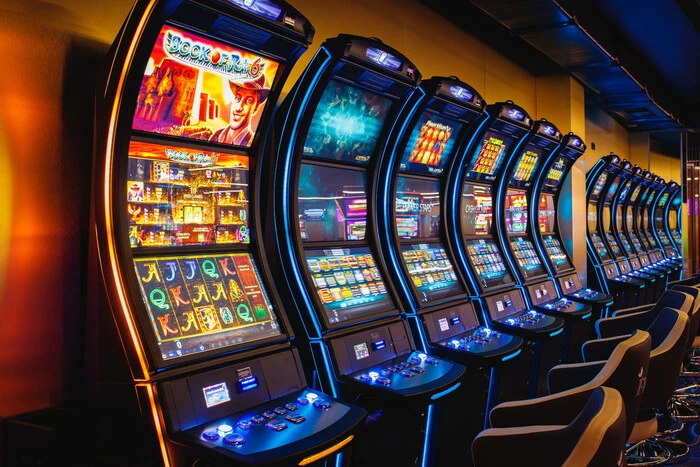
The concept of strategic flow extends to the placement of amenities such as bars and restaurants as well. Designers often integrate these services within the gaming areas, allowing patrons to easily access refreshments and meals without leaving the gaming floor. This accessibility not only enhances the gaming experience but also increases the likelihood of guests spending more time and money within the casino premises. Creating a seamless flow ensures that players remain in the environment, ultimately driving revenue. The convenience of having everything in one place creates a comprehensive entertainment experience, appealing to visitors seeking multi-dimensional enjoyment.
Psychological Triggers and Gamification
Clever use of psychological triggers is paramount in casino design, with various elements intentionally crafted to spur gambling behavior. One noteworthy feature is the use of near-miss outcomes and reward schedules. For example, slot machines are designed to create a sense of anticipation, often featuring close calls that keep players engaged and hopeful for a win. This psychological aspect taps into the brain’s reward system, promoting continued play even in the absence of actual winnings. The thrill of the near-miss creates a compelling dynamic that can lead to increased playtime, as players are motivated to chase that elusive jackpot.
Gamification is another critical aspect that enhances player engagement. Casinos integrate game-like elements into their designs to make the overall experience more exciting. For instance, loyalty programs reward patrons for their time and spending, motivating them to return. The idea of accumulating points or rewards creates a sense of achievement, reinforcing the notion that visitors are making progress in their gaming journey. This encourages regular attendance and increases customer loyalty, vital for long-term success. By embedding these gamified elements, casinos can create a sense of belonging and competition among players, enhancing their overall enjoyment.
Furthermore, the use of immersive technology, including augmented reality and interactive elements, also plays a role in amplifying the psychological impact of a casino. By incorporating digital features that enhance the gaming experience, casinos can heighten excitement levels and engage visitors more deeply. These innovations not only differentiate properties but also appeal to younger generations, who are increasingly looking for engaging experiences beyond traditional games. This integration of technology not only captivates the audience but also fosters a sense of innovation, drawing in tech-savvy players who appreciate cutting-edge experiences.
Color Psychology and Branding
The colors used in casino design are not random; they are carefully selected to evoke specific feelings and responses in patrons. Color psychology examines how different hues can influence mood and behavior, and casinos utilize this knowledge to create desired atmospheres. For example, warm colors like red and yellow can evoke excitement and urgency, prompting visitors to engage actively with games. In contrast, cooler tones, such as blue or green, may promote relaxation and comfort, ideal for dining spaces or lounges. This strategic use of color not only enhances the aesthetic appeal but also reinforces the intended emotional response from guests.

Branding also goes hand in hand with color choices. Iconic casinos often have a recognizable color palette that helps define their identity and creates a sense of familiarity for guests. Consistency in branding allows patrons to develop emotional connections with the casino, enhancing their overall experience. Color choices become part of a larger narrative, contributing to brand storytelling that resonates with visitors on both emotional and cognitive levels. This connection can foster a loyal following, as customers feel more inclined to return to a place that aligns with their emotional experiences and expectations.
Furthermore, the psychology of color extends beyond visual appeal; it also connects to concepts of trust and luxury. For instance, darker color schemes may suggest sophistication and exclusivity, appealing to a high-end demographic. Conversely, bright, vibrant tones can attract a younger audience eager for a fun, energetic environment. By aligning color choices with target demographics, casinos can effectively enhance brand perception and customer experience. This thoughtful consideration of color not only impacts immediate reactions but also influences long-term brand loyalty, making it a crucial aspect of casino design.
Understanding Casino Websites
The design of casino websites has become increasingly important as digital gaming continues to rise. Much like physical casinos, online platforms must leverage psychological principles to attract and retain users. The use of engaging designs, easy navigation, and strategic placements of call-to-action buttons can significantly impact user behavior and conversion rates. A well-designed website can create a seamless experience that mirrors the excitement of a physical casino. By creating an engaging online space, casinos can effectively tap into the digital market and reach a broader audience.
Additionally, the psychology behind color choice, typography, and imagery also applies to online casino design. Websites often employ visually appealing graphics and intuitive layouts to evoke excitement and trust. Integrating banner promotions and personalized content can further enhance user engagement. The aim is to create an environment that draws users in, converting casual visitors into dedicated players. Thoughtful design elements in online casinos can foster a sense of community and excitement, similar to that found in traditional venues.
The interplay between physical and digital casino design emphasizes the need for consistency across platforms. An understanding of user psychology ensures that both online and offline experiences align seamlessly, allowing brands to build loyalty among customers. By utilizing principles of design and psychology, casinos can effectively create immersive experiences, whether in a physical venue or an online setting. This holistic approach to design is key to thriving in a competitive landscape, as it ensures that players remain engaged and satisfied across all platforms.